
Facial rejuvenation through gentle skin tightening

Sooner or later, we are all affected by this: In the course of the natural aging process, small wrinkles appear on the face, for example on the forehead, around the eyes, in the region of the cheeks, mouth and neck. It is thus a completely natural thing that we constantly get more wrinkles over our lifetime.
There is great variation between individuals in how emphasised the wrinkles are and when they become noticeable. Apart from genetic predisposition, many external factors come into play, e.g. nutrition, exposure to sunlight in the past or lifestyle (keyword: smoking). It is clear: A person who sleeps little, smokes a lot, sunbathes extensively and has an unhealthy diet favours the development of wrinkles. Unfavourable emotional states such as stress, tension and anger may also contribute to wrinkle development, because such states may result in permanent tension in the mimetic muscles.
However, people who maintain a very healthy lifestyle can also be affected by wrinkles early on due to their genetic predisposition.
Skin firming Nobody has to accept wrinkles
The good news is: Fortunately, anyone who is bothered by wrinkles no longer has to put up with them. There are various effective and gentle possibilities that reduce wrinkles and enable a more youthful appearance.
Full-Face treatment by Dr Tatjana Pavicic
Dr Tatjana Pavicic in Munich treats her patients with a Full-Face approach, for which the anatomy of a person’s face, the speaking behaviour and facial expression are important. “I analyse each patient, make a diagnosis before each treatment and create an appropriate treatment plan.” Her methods are individually adapted to each requirement.
You are currently viewing a placeholder content from YouTube. To access the actual content, click the button below. Please note that doing so will share data with third-party providers.
More InformationWhy do wrinkles develop
The skin of young people is constantly being renewed. Thus, the so-called epidermis is renewed about once a month. This cycle becomes increasingly longer with increasing age and the renewal process becomes less accurate. At the age of 60 years, the epidermis needs already up to 70 days to renew itself.
A further part is played by the dermis, which is located under the epidermis. Together with collagen and elastin, it is responsible for the elasticity and resilience of the skin. The older we become, the less collagen and elastin is present in the dermis. Consequently, the skin loses its resilience and begins to droop.
Skin tightening Munich: this is how we reduce your wrinkles

Efforts to avoid or reduce wrinkles already have a long history. In our practice in Munich, we resort to innovative, non-surgical methods, which have particularly proved themselves and which promise optimal results. The methods can be used singly or in combination, depending on the initial situation and the type of wrinkles (permanent wrinkles / mimetic wrinkles).
Hyaluronic acid is injected under the skin (= injection below the wrinkles), to serve as a compensate for depressions caused by loss of substance.
Radiesse® stimulates natural collagen production from the inside. Collagen gives the skin firm structures for a youthful aspect and leads to long-term strengthening of the skin structure with youthful resilience.
Botulinum toxin type A (known as Botox) has already been used very successfully for more than 20 years to treat wrinkles. It is injected into the muscles that are involved in wrinkle production and causes a transient relaxing of the muscles. This results in the smoothing out of mimetic wrinkles.
Ultherapy® used micro-focused ultrasound, which passes harmlessly through the skin tissue and exerts its effect at a depth of up to 4.5 mm. The skin reacts to this stimulation by producing new collagen from fresh collagen and elastin.
As part of the fractional laser procedure, we apply a large number of microscopic heat columns to specific areas in your skin. These lead to small, harmless skin injuries. In between, there are untreated areas of skin that ensure rapid healing. The positive effect: the treatment is accompanied by the formation of fresh tissue and new collagen. Your skin appearance improves and rejuvenates.
FAQ
Questions?
Wrinkles are age-related changes in the skin. They appear as lines or furrows on the skin surface and can result from folding of the epidermis and dermis or from loss of volume in deeper structures followed by descent of more superficial tissue.
To understand how wrinkles form, it helps to look at the structure of the skin. The uppermost layer is the epidermis, which renews itself regularly. Beneath it lies the dermis with sweat glands, sebaceous glands and scent glands. It is supported by a network of collagen and elastin fibres that keeps the tissue supple, stable and able to bind water. Beneath the dermis is superficial fatty tissue, followed by fascia and muscle layers, deeper fat and bone.
Up to young adulthood, these structures usually function efficiently. The skin stores moisture well, appears vital and plump and shows few wrinkles.
Over the years, the skin layers change and many of their functions slow down. Collagen and elastic fibres decrease, less moisture can be retained and the blood supply becomes less abundant. The skin becomes thinner and drier and gradually loses firmness.
Wrinkles and tissue laxity are the visible consequences of these processes.
Wrinkles can broadly be divided into three groups according to how they develop:
- Dynamic wrinkles
These are expression lines caused by repeated movement of facial muscles. As muscles repeatedly contract, the skin folds in the same places. Over time, fine lines can develop into deeper furrows. Examples include frown lines, crow’s feet and horizontal forehead lines. - Static wrinkles
These develop when skin and underlying tissue lose elasticity, firmness and moisture and gradually descend under the influence of gravity. Examples include deeper nasolabial folds, marionette lines and lax tissue around the chin and neck. - Actinic wrinkles
These are fine crepey lines associated particularly with excessive UV exposure and drying of the skin. Radial lines on the cheeks are one example.
Chronological ageing is related to biological age and individual lifestyle. It is the natural ageing process that affects everyone.
Photoageing, by contrast, is caused or accelerated by repeated exposure to UV radiation, particularly sunlight. It can make visible signs of ageing and wrinkle formation appear earlier or more pronounced.
Genetics can influence how old a person appears. Researchers have found that certain variants of the MC1R gene may affect perceived facial age independently of the number of wrinkles or pigmentation spots. Some variants have been associated with a face being perceived as up to around two years older.
MC1R is primarily involved in pigmentation of the skin and hair, but research suggests that it may also influence skin ageing because it plays a role in inflammatory reactions, wound healing and repair of DNA damage. In the studies cited on the German page, the effect appeared stronger in men than in women.
Researchers assume that other genes may also contribute to differences in visible ageing.
Natural skin ageing is a normal process that begins gradually from around the mid-twenties. Its pace is influenced by genetic predisposition, which means that every woman and man ages differently.
Certain factors can accelerate this process so that wrinkles, lax tissue and pigmentation changes appear earlier than average. These include excessive UV exposure, smoking, high alcohol consumption, inadequate nutrient intake, an unbalanced diet, insufficient sleep and chronic stress.
A number of medical conditions can contribute to unusually rapid skin ageing. These include hormonal disorders or major hormonal changes, diabetes, cardiovascular disease, thyroid, liver or kidney disease and congenital connective-tissue disorders. Side effects of certain medications and radiotherapy used in cancer treatment can also accelerate changes in the skin.
A health-conscious lifestyle can help slow visible skin ageing. A balanced and varied diet supports not only general health but also the appearance of the skin. Adequate fluid intake is important because water and unsweetened tea help support normal moisture balance.
Regular cleansing and skincare products adapted to the individual skin type are also useful. Exercise, sufficient sleep and reducing chronic stress can support healthy skin. Smoking has a negative effect on skin quality, so stopping smoking is recommended. Moderate alcohol consumption is preferable to frequent or excessive intake.
UV protection is particularly important. Use an appropriate sunscreen consistently and remember to reapply it when necessary.
To a certain extent, a sun protection factor appropriate for the skin type can help reduce UV-related wrinkle formation. Sunscreens form a protective layer that absorbs or blocks part of the ultraviolet radiation before it reaches deeper skin structures. Protection should cover both UVB and, particularly with regard to photoageing, UVA radiation.
Facial massage cannot permanently remove existing wrinkles, but it can have a temporary positive effect on the appearance of the skin.
Massage stimulates circulation and can therefore improve the supply of nutrients to the skin. Skincare products may also be distributed and absorbed more effectively. At the same time, gentle massage can support lymphatic drainage and temporarily reduce swelling, for example around the eyes.
Another benefit is relaxation: facial muscles loosen and stress decreases, which can make the face look more relaxed and temporarily smoother.
Aesthetic dermatology offers different methods that can improve skin structure and reduce wrinkles. They work through different mechanisms:
- Renewal of the upper skin layer
Removing superficial skin cells stimulates natural regeneration so that smoother skin can form. One example is chemical peeling. - Stimulation of deeper tissue layers
These methods stimulate collagen and elastin formation in the dermis and deeper fascial layers. Examples include Ultherapy PRIME®, ATTIVA® and BTL Exilis Elite™. - Laser treatment
Fractional laser procedures combine controlled renewal of superficial skin with stimulation of collagen production in deeper layers. More information: laser treatment. - Treatment from within: fillers, botulinum toxin and skin boosters
Hyaluronic-acid fillers can restore lost volume and smooth static or gravitational folds. Botulinum toxin relaxes selected muscles that contribute to expression lines. Skin boosters such as Belotero® Revive can be distributed beneath the skin to improve hydration and skin quality; the combination of hyaluronic acid and glycerol provides an immediate moisturising effect.
A facelift is a surgical procedure in which facial and/or neck tissue is repositioned and tightened to create a marked rejuvenating effect. Surgery is not always necessary, however.
For mild to moderate signs of ageing, injections and device-based treatments such as Ultherapy PRIME® or ATTIVA® may provide meaningful improvement without surgery. With very pronounced tissue laxity, non-surgical methods reach their limits and a surgical facelift may be considered.
Our general approach is to preserve and support tissue early rather than wait until major correction is required. Starting suitable anti-ageing measures at an appropriate time can help maintain a fresher appearance for longer.
Some women notice changes in their skin after stopping an oral contraceptive. Hormonal contraceptives can have effects on the skin, for example reducing acne in some patients, influencing water retention and affecting collagen, elastin and blood circulation.
When the pill is discontinued, these hormone-related effects can diminish and the complexion may temporarily change. The extent of this varies considerably from woman to woman, so stopping the pill does not automatically mean that the skin will age faster.
Sunlight contains different forms of ultraviolet and heat radiation. UV radiation, particularly UVA, can accelerate structural skin ageing and therefore wrinkle formation.
UV exposure promotes the formation of free radicals that can damage cellular structures in the skin. It can also damage collagen fibres and activate enzymes known as matrix metalloproteinases (MMPs), which contribute to the breakdown of collagen, elastin and hyaluronic acid. Repeated exposure therefore weakens important components of the skin’s supporting structure.
Cigarette smoking exposes the body to nicotine and numerous substances in tobacco smoke. Nicotine narrows blood vessels and can therefore reduce blood flow and nutrient supply to the skin. It also promotes processes associated with the breakdown of collagen and elastin, which can reduce skin firmness. Moisture retention in the skin may also be impaired.
Tobacco smoke itself additionally contains free radicals, carbon monoxide and fine particles that can negatively affect skin quality.
Smoking can also promote expression lines around the mouth because the repeated pursing of the lips when drawing on a cigarette contributes to characteristic perioral wrinkles.
Related topics
Laser treatment face: what are the options?

Possibilities of radiofrequency therapy: treatments against wrinkles and fat

Microneedling at home: Is it harmful to treat yourself with the dermaroller?
LED Facial: Does the special light therapy do anything for the skin?

Face Cupping: Does cupping help against wrinkles?

Facelift Tapes: Can wrinkles really be taped away?

Collagen stimulation: how your skin can tighten by itself

Ultherapy eyes: How to tighten the eye area with ultrasound treatment

What to do about wrinkles under the eyes?

Whimsical beauty treatments: the fire mask
Cosmeceuticals: When cosmetics meet medicine

Blogger Bibi Horst at our practice
Custom wrinkle treatments: individual combination treatments for facial rejuvenation
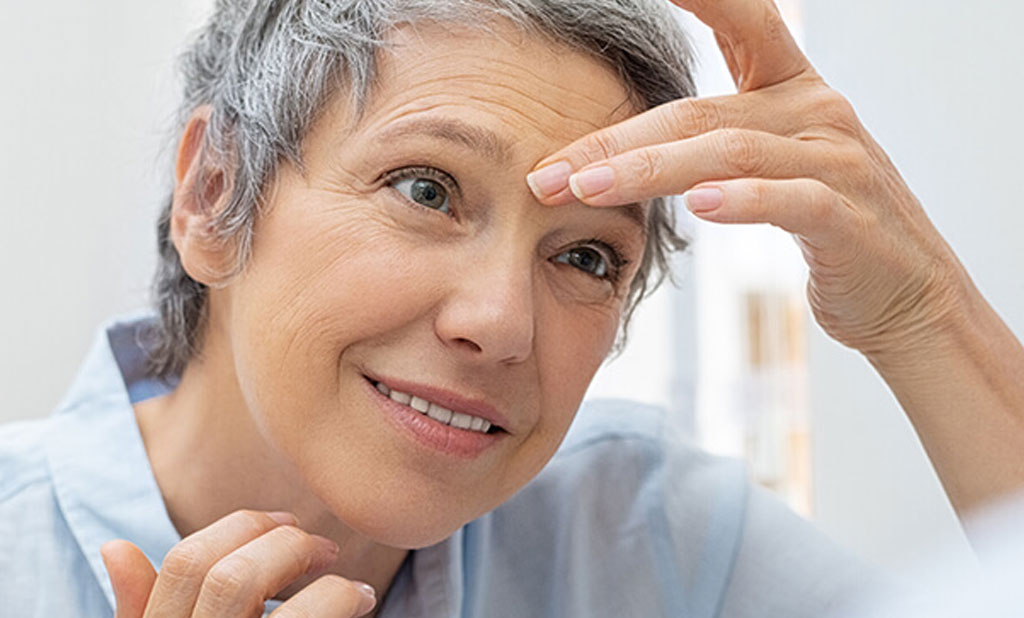
What is the best treatment for forehead wrinkles?
Questionable beauty trend “dermaplaning”

How effective are hyaluronic acid creams, serums and capsules?

Beautiful and firm knees with Attiva
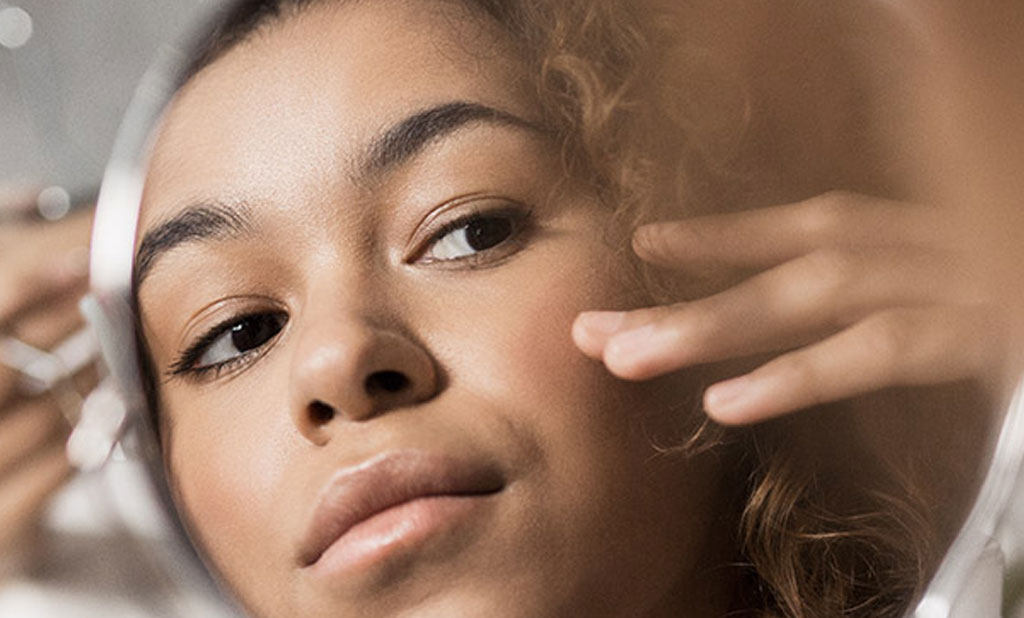
What are the types of wrinkles and how can they be treated?

Generation “Selfie”: Social media influences customer wishes

Trends in cosmetic surgery: minimally invasive procedures

Gifting beauty treatment for Christmas?

3 beauty treatments for winter
What can hyaluronic acid do?
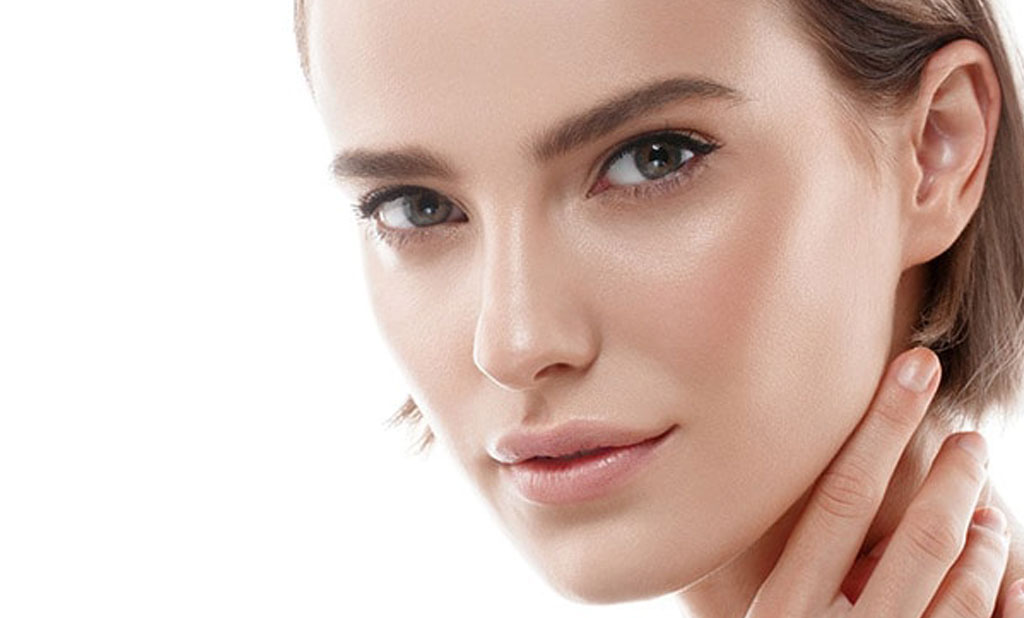
Fractional laser for gentle and effective skin rejuvenation
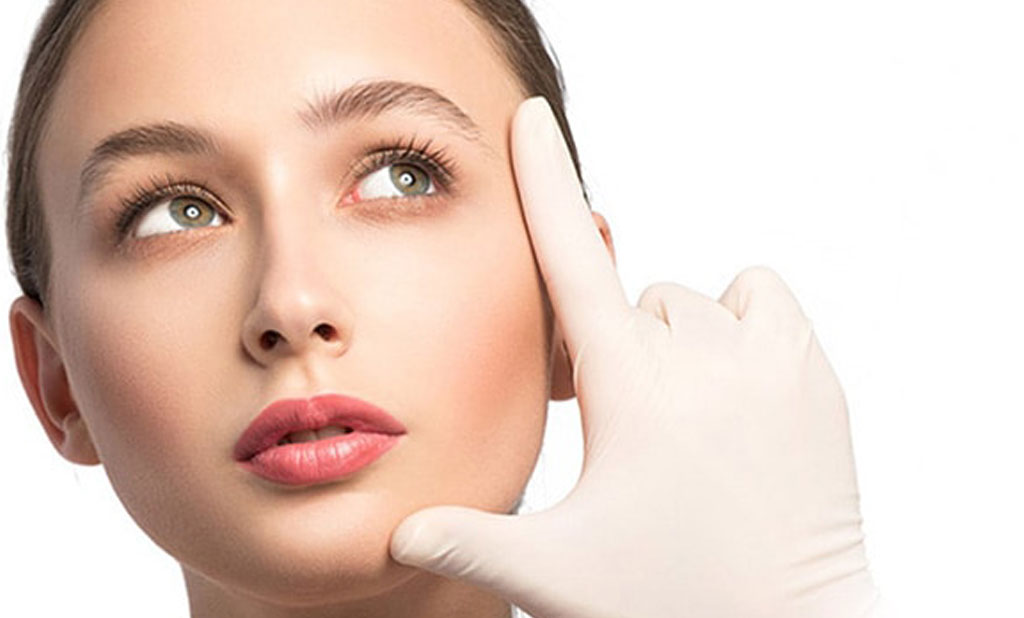
Benefits of toxin in wrinkle treatment


